
The short answer: a well-built garage door can last 20 to 30 years, the opener usually taps out at 10 to 15 years, and torsion springs are good for roughly 7 to 10 years or 10,000 cycles. If one of you guessed "it should last forever" and the other said "these things die in five years," you're both a little off. Here's what actually drives the number.
The Real Numbers, Part by Part
A garage door isn't one object with one lifespan — it's several systems aging at different rates:
- The door itself (steel, wood, or composite panels): 20-30 years with normal use, longer if it's never been hit by a car or warped by heat.
- The opener motor and logic board: 10-15 years. Belt and chain-drive units both fall in this range; it's the electronics that usually fail first, not the drive mechanism.
- Torsion springs: rated in cycles (one cycle = open plus close), typically 10,000. For an average household opening the door 3-5 times a day, that's about 7-10 years.
- Rollers, cables, and hinges: 5-10 years depending on lubrication and whether the door runs smoothly on its track.
So when someone says "the garage door is 15 years old and still fine," they're probably talking about the panels. The opener and springs on that same door may already be well past their useful life — which is why a door can look fine and still fail suddenly.
What Shortens the Lifespan
Inland Contra Costa summers push a lot of garage doors harder than people expect. A few things that quietly cut years off a door's life:
- Heat cycling: hot inland summers in Antioch, Oakley, and Brentwood cause metal tracks and panels to expand during the day and contract overnight. Over years, that stresses welds, hinges, and track alignment.
- Dust and wildfire smoke: dry-season dust works its way into rollers and track channels, turning lubricant into grit that accelerates wear instead of preventing it.
- Winter rain intrusion: water pooling at the bottom of the door or seeping past worn weatherstripping rusts cables, springs, and the bottom panel from the inside out.
- Salt air: for homes closer to the Delta or coastal air currents, salt accelerates corrosion on springs and hardware faster than inland locations.
- High cycle count: a door used heavily (home businesses, multiple vehicles, kids in and out) simply burns through spring and roller life faster, regardless of age.
- Skipped maintenance: an unbalanced door forces the opener motor to work harder every single cycle, which is the single biggest reason openers die early.
What Extends It
None of this requires anything exotic — just consistency:
- Lubricate twice a year, ideally before the dry summer dust season and again before winter rain. Use a garage-door-specific lithium or silicone lubricant on rollers, hinges, and springs — not WD-40, which attracts dust rather than repelling it.
- Check the balance. Disconnect the opener, lift the door halfway by hand, and let go. It should stay put. If it drops or shoots up, the springs are compensating poorly and wearing faster than they should.
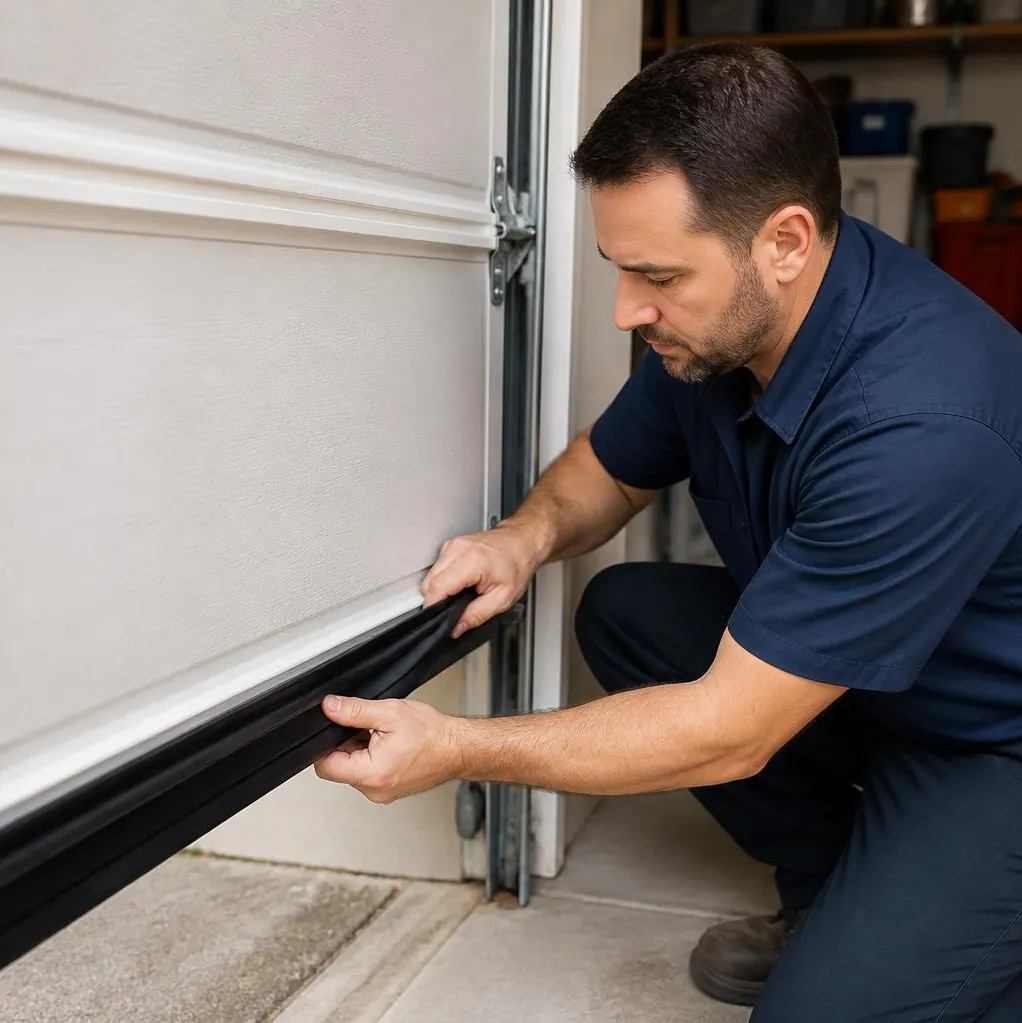
- Replace weatherstripping at the bottom and sides before the rainy season starts, which keeps water, dust, and drafts from reaching cables and the bottom panel.
- Tighten hardware once or twice a year — brackets loosen from vibration over thousands of cycles, especially with earthquake-related settling common in this region.
- Don't ignore small noises. Grinding, popping, or a door that hesitates mid-cycle are early signs of a system under strain, not just "character."
Signs You're Near the End, Not Just Due for a Fix
Rust pitting on spring coils, an opener that reverses randomly, a door that's visibly sagging on one side, or panels with soft spots from trapped moisture are signs of replacement territory rather than another repair.
When to Call Antioch Garage Door
If you're not sure which camp your door falls into — needs a tune-up or needs real work — that's exactly what a professional look settles. We handle Garage Door Tune-Up & Maintenance to catch rust, imbalance, and worn rollers before they turn into a Saturday-morning emergency, and Garage Door Spring Repair when a spring has already reached the end of its cycle life (springs should never be DIY — they're under serious tension). If your opener is more than a decade old and struggling, we also handle straightforward opener swaps so you're not throwing good money after a dying motor.
Settle the argument for good — call Antioch Garage Door for an honest inspection and straight answers on what your door actually needs, serving Antioch, CA and all of East Contra Costa.